Stay updated on what is trending in health. Discover tips and resources for a healthier, balanced life.

Orange Juice: A Healthy Drink or a Hidden Source of Sugar?
Is orange juice actually healthy? Learn its real benefits, sugar concerns, how much is good, when to drink it for better health & when you should be cautious.
NUTRITION
Dr. S. Ali
12/4/20254 min read
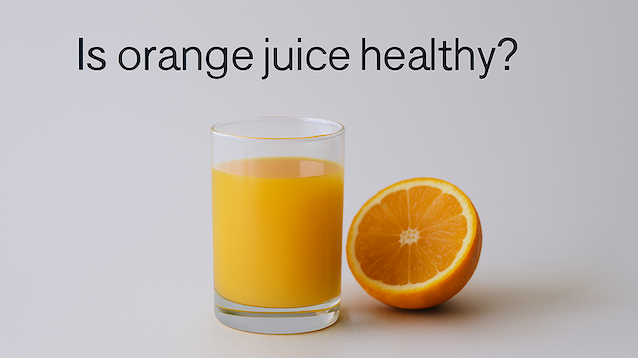

Orange juice is suddenly trending again — from wellness influencers to nutrition blogs, everyone seems to be talking about it. But is it truly a “health drink,” or just another sugary beverage hiding behind a healthy image?
Let’s take a closer, science-based look… in a simple way.
Why Is Orange Juice So Popular Right Now?
There’s something comforting about a glass of orange juice. It feels fresh, fruity, and wholesome. Paired with the hype on social media about “immune-boosting drinks,” orange juice has made a strong comeback.
And to be fair — orange juice does have benefits.
What’s Good About Orange Juice?
1. It’s rich in vitamin C
One small glass can give you almost your entire daily requirement.
Vitamin C helps with:
immune support
collagen production
iron absorption
protecting cells from oxidative stress
This is one of the biggest reasons orange juice is trending.
2. It contains folate and potassium
These nutrients help your body:
make healthy red blood cells
support nerve and muscle function
regulate blood pressure
Potassium is especially important if you eat a lot of salty foods.
3. It’s packed with plant antioxidants
Orange juice contains flavonoids like hesperidin, which may help:
reduce inflammation
support heart health
improve blood vessel function
Some studies suggest that 100% orange juice supports healthy cholesterol levels when consumed in moderation.
But… There’s Another Side to the Story
Orange juice may be healthy — but only in the right amount. Here’s what you need to know.
1. It’s still high in natural sugar
A single cup of orange juice ( for a standard 8-ounce (240 ml) cup) contains:
About 21–26 grams of sugar
very little fiber
This means it raises blood sugar much faster than eating a whole orange.
Not ideal for:
people with diabetes
those trying to lose weight
anyone who drinks large amounts daily
2. It’s easy to drink too much
You’d never eat three whole oranges at once — but you can drink them in seconds.
This “concentrated intake” can:
spike blood sugar
add extra calories
increase cravings for more sweet drinks
3. Not all orange juice is equal
Some store-bought versions contain:
added sugar
flavoring
preservatives
concentrates
For the healthiest choice, look for:
100% orange juice
no added sugar
freshly squeezed whenever possible
So… Should You Drink Orange Juice?
Yes — but in moderation.
A reasonable serving is ½ cup (120 ml) to 1 cup (240 ml) per day, preferably with a meal to slow sugar absorption.
Orange juice can be part of a healthy lifestyle if it’s balanced with whole fruits, vegetables, and plenty of water.
Who Should Be Careful With Orange Juice?
People with:
diabetes
prediabetes
high triglycerides
acid reflux (GERD)
migraine triggered by citrus
…should limit or monitor their intake. If unsure, ask your doctor.
Smarter Ways to Enjoy Orange Juice
Mix half juice and half water (“orangeade”) to cut sugar.
Add fresh slices of orange to your water for flavor without calories.
Try eating a whole orange instead — more fiber, slower sugar absorption.
Choose fresh, unsweetened juice whenever possible.
Orange Juice vs. Whole Oranges
Whole oranges and orange juice might come from the same fruit, but your body treats them very differently.
A whole orange contains fiber — the part that slows down sugar absorption, keeps you full longer, and supports gut health. When you eat the fruit, the natural sugars enter your bloodstream more gradually.
Orange juice, on the other hand, delivers the same sugars without the fiber, meaning it absorbs much faster. It’s also easy to drink two or three oranges’ worth of juice in seconds, which can lead to a higher glycemic load and more calories than you realize.
Best Choice: Whole oranges are usually the healthier everyday choice, especially for blood sugar control.
Fresh-Squeezed vs. Store-Bought: What’s the Difference?
Fresh-squeezed orange juice is the closest you can get to eating the actual fruit.
It’s rich in natural antioxidants like vitamin C and flavonoids, and it contains no added sugar, preservatives, or processing. The flavor is brighter, and the nutrient profile is more intact.
Store-bought orange juice, even the 100% pure varieties, goes through pasteurization to kill harmful bacteria and extend shelf life. This process slightly reduces heat-sensitive nutrients — but these products may be fortified with calcium, vitamin D, or extra vitamin C, which can be beneficial.
Not all store-bought juices are equal. Some contain added sugars, flavor packs, or concentrates.
Best choice: If you buy juice, choose 100% pure orange juice with no added sugar — and enjoy it in moderate portions.
Quick FAQs About Orange Juice
Is orange juice good for weight loss?
Not really. While it contains vitamin C and antioxidants, orange juice is still high in natural sugars and low in fiber. It won’t keep you full for long, so it’s better as an occasional drink rather than a weight-loss tool.
Is orange juice bad for your blood sugar?
It can be — especially for people with diabetes or pre-diabetes. Orange juice causes a faster rise in blood sugar compared to whole oranges because it lacks fiber. If you drink it, keep portions small (about 120 ml).
How much orange juice is safe per day?
Most experts recommend no more than ½ cup (120 ml) a day. That gives you nutrients without overloading on sugar or calories.
Is orange juice good for kids?
In moderation. The American Academy of Pediatrics recommends no more than 4–6 ounces (120–180 ml) of fruit juice for young children per day — and not every day. Whole fruits are much better for growth, digestion, and dental health.
Is orange juice good for people with kidney disease?
For most people with moderate to severe kidney disease, orange juice poses significant risks due to its high potassium and phosphorus content. It is not considered "good" for kidney health and is typically restricted. Always follow the personalized dietary plan provided by your healthcare team, as kidney diets vary greatly from person to person.
The Bottom Line
Orange juice is healthy — but not magical.
It provides essential vitamins and antioxidants, but it also contains significant natural sugar and little fiber. Enjoy it as part of a balanced diet, not as a replacement for whole fruits or water.
A small glass a day is fine. A large bottle a day? Probably not.
Related Articles:
1. 20 Foods That Fight Inflammation and Boost Health
Sources:
1. American Academy of Pediatrics (AAP) – Juice Recommendations
2. Harvard School of Public Health – Drinks to Consume in Moderation
https://nutritionsource.hsph.harvard.edu/healthy-drinks/drinks-to-consume-in-moderation/
3. Mayo Clinic – Fruit Juice: Good or Bad?
https://newsnetwork.mayoclinic.org/discussion/fruit-juice-good-or-bad/
4. Centers for Disease Control and Prevention (CDC) – Foods and Drinks to Avoid or Limit
5. U.S. Department of Agriculture (USDA) – Nutrition Data for Orange Juice
6. Cleveland Clinic – Is 100% Fruit Juice Good for You?
https://health.clevelandclinic.org/is-100-percent-fruit-juice-as-healthy-as-it-sounds
7. American Heart Association (AHA) – Added Sugars & Health
8. World Health Organization (WHO) – Guideline: sugars intake for adults and children
https://www.who.int/publications/i/item/9789241549028
9. National Institutes of Health (NIH) – Low Blood Glucose (Hypoglycemia)
Pulse Your Health
Empowering you to achieve your health goals.
Contact
© 2026. All rights reserved.
Disclaimer: The content on this website is for informational purposes only and is not medical advice. Always seek the advice of your physician or other suitably qualified healthcare professional for diagnosis, treatment and your health related needs.