Stay updated on what is trending in health. Discover tips and resources for a healthier, balanced life.
Statins: What They Are and Why They Matter for Heart Health
Statins – widely prescribed to lower cholesterol & heart disease risk. Learn what statins are, how they work, their benefits, side effects & who may need them.
WELLNESS
Dr. S. Ali
2/7/20264 min read
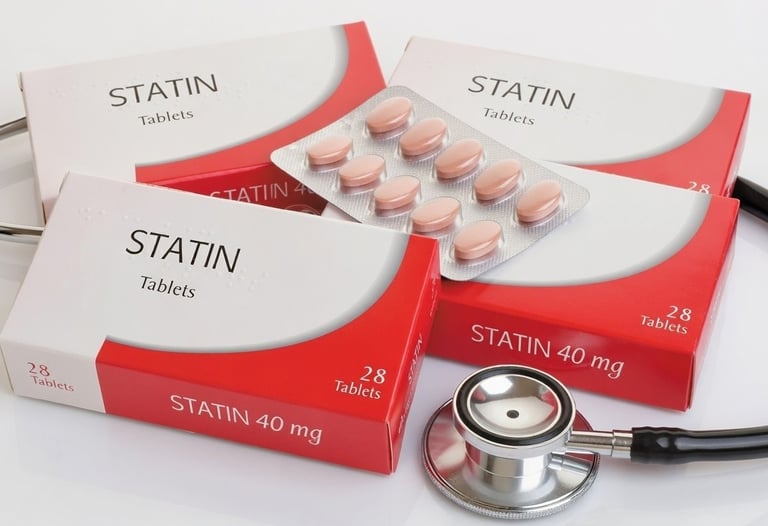
Statins are among the most commonly prescribed medications worldwide — yet they’re also among the most misunderstood. If you’ve ever wondered what statins actually do, who needs them, or whether they’re truly beneficial, you’re not alone.
This article breaks down statins in simple terms: what they are, what they’re used for, how they protect your heart and blood vessels, and what you should know before taking them.
What Are Statins?
Statins are a group of medications that lower cholesterol levels, particularly LDL cholesterol, often called “bad cholesterol.”
Common statins include:
Atorvastatin
Rosuvastatin
Simvastatin
Pravastatin
Lovastatin
They’ve been prescribed for decades and are supported by extensive scientific research.
What Are Statins Used For?
Statins are primarily used to reduce the risk of cardiovascular disease, including:
Heart attacks
Strokes
Blocked arteries (atherosclerosis)
Complications after heart surgery or stenting
While statins mainly target LDL cholesterol, doctors also consider HDL levels, triglycerides, non-HDL cholesterol, and overall cardiovascular risk when deciding on treatment.
Doctors may prescribe statins if you:
Have high LDL cholesterol that doesn’t improve enough with lifestyle changes
Have diabetes, even if cholesterol levels are only mildly elevated
Have a history of heart attack, stroke, or coronary artery disease
Are at high risk of cardiovascular disease based on age, blood pressure, smoking status, and family history
Have very high total cholesterol or certain genetic conditions (such as familial hypercholesterolemia)
Importantly, statins are used both for prevention and treatment — not just after a heart problem occurs.
How Do Statins Work?
Your liver produces most of the cholesterol in your body. Statins work by blocking an enzyme (HMG-CoA reductase) that the liver uses to make cholesterol.
As a result:
LDL cholesterol levels fall
The liver removes more cholesterol from the blood
Fatty plaque buildup in arteries slows down
But statins do more than just lower cholesterol.
Benefits of Statins Beyond Cholesterol
Statins have several “pleiotropic” effects, meaning benefits beyond cholesterol control:
1. Reduce Inflammation
Chronic inflammation plays a key role in heart disease. Statins help calm inflammation inside blood vessels, making plaques less likely to rupture.
2. Stabilize Arterial Plaques
Statins make cholesterol plaques more stable, reducing the risk of sudden blockage that can cause heart attacks or strokes.
3. Improve Blood Vessel Function
They help blood vessels relax and function more efficiently, improving blood flow.
4. Lower Risk of Heart Attack and Stroke
Large clinical trials consistently show that statins significantly reduce cardiovascular events and death, especially in high-risk individuals.
Are Statins Really That Effective?
Yes — statins are one of the most evidence-based drugs in modern medicine.
Research shows:
Lower LDL = lower heart attack risk
Each significant reduction in LDL cholesterol translates into meaningful protection over time
Benefits increase the longer statins are used appropriately
For many patients, statins can be life-saving, especially when combined with healthy lifestyle changes.
Common Concerns About Statins
Statins often get a bad reputation due to fear of side effects. While no medication is completely risk-free, most people tolerate statins well.
Possible side effects may include:
• Muscle aches or weakness
• Mild digestive symptoms
• Temporary changes in liver enzyme levels
Importantly, large high-quality studies tell a reassuring story. A major meta-analysis published in The Lancet, which reviewed data from multiple double-blind randomized controlled trials, found that many symptoms commonly blamed on statins occurred at similar rates in people taking placebo. This suggests that a significant proportion of reported side effects are not directly caused by the medication itself.
Serious side effects from statins are rare, and the proven benefits in reducing heart attacks and strokes far outweigh the risks for people who are prescribed them.
👉 If side effects do occur, doctors can often help by:
• Adjusting the dose
• Switching to a different statin
• Changing how often the medication is taken
Stopping statins without medical guidance can allow cholesterol levels and inflammation to rise again, increasing the risk of heart attack or stroke — especially in people with existing cardiovascular disease or diabetes.
Who Should Not Take Statins?
Statins may not be suitable for:
Pregnant or breastfeeding women
People with certain liver diseases
Individuals with proven statin intolerance (under specialist care)
Your doctor weighs benefits versus risks before prescribing them.
Statins and Lifestyle: Not One or the Other
Statins are not a substitute for healthy habits. They work best when combined with:
A heart-healthy diet
Emphasizing fruits, vegetables, whole grains, lean proteins, and healthy fats helps lower cholesterol naturally and reduces inflammation in blood vessels.Regular physical activity
Exercise improves cholesterol balance, raises “good” HDL cholesterol, supports circulation, and strengthens the heart muscle itself.Weight management
Maintaining a healthy weight reduces LDL cholesterol, triglycerides, and insulin resistance — all of which contribute to cardiovascular risk.Blood pressure and diabetes control
High blood pressure and elevated blood sugar damage blood vessels over time. Managing them lowers strain on the heart and reduces the risk of complications.Smoking cessation
Smoking accelerates artery damage and counteracts many of statins’ protective benefits. Quitting is one of the most powerful ways to reduce heart risk.
Think of statins as one tool in a long-term cardiovascular strategy, not a quick fix — they support your efforts, but lifestyle choices do the heavy lifting.
The Bottom Line
Statins are powerful, well-studied medications that play a crucial role in preventing heart attacks and strokes. For the right person, at the right time, they offer benefits that far outweigh potential risks.
If you’ve been prescribed a statin — or think you might need one — the best next step is an open discussion with your doctor about your individual risk profile and long-term health goals.
When used appropriately, statins don’t just lower cholesterol — they protect lives.
Rleated Articles:
1. Good and Bad Cholesterol: What You Need to Know and How to Lower It
2. 5 Natural Hypertension Tips for a Healthier You
3. Fatty Liver Disease: Causes and How to Protect Your Liver
Sources (names + links only)
American Heart Association
https://www.heart.org/en/news/2018/12/10/safety-of-statins-emphasized-in-new-reportNational Health Service (NHS)
https://www.nhs.uk/conditions/statins/CDC
https://www.cdc.gov/cholesterol/treatment/cholesterol-lowering-medicines.htmlMayo Clinic
https://www.mayoclinic.org/drugs-supplements/statins/art-20045772MedlinePlus (U.S. National Library of Medicine)
https://medlineplus.gov/statins.htmlThe Lancet – Cholesterol Treatment Trialists’ (CTT) Collaboration
https://www.thelancet.com/journals/lancet/article/PIIS0140-6736(25)00991-2/abstract
https://www.thelancet.com/journals/lancet/article/PIIS0140-6736(05)67394-1/abstract
European Society of Cardiology (ESC)
https://www.escardio.org/Guidelines/Clinical-Practice-Guidelines/Dyslipidaemias-management-of
Pulse Your Health
Empowering you to achieve your health goals.
Contact
© 2026. All rights reserved.
Disclaimer: The content on this website is for informational purposes only and is not medical advice. Always seek the advice of your physician or other suitably qualified healthcare professional for diagnosis, treatment and your health related needs.