Stay updated on what is trending in health. Discover tips and resources for a healthier, balanced life.

Shigella Infection: Symptoms, Treatment and Drug-Resistance
Learn about Shigella infection -- symptoms, causes & treatment options. Discover what drug-resistant Shigella means & prevent this contagious bacterial disease.
DISEASES AND CONDITIONS
Dr. S. Ali
4/21/20263 min read
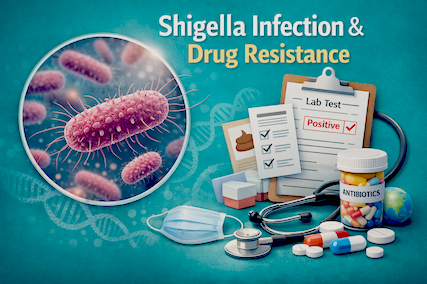
Shigella infection is one of the most common causes of diarrhea worldwide—but it’s not always as simple as a “stomach bug.” It is a well-known cause of gastroenteritis, a condition that affects the stomach and intestines, leading to symptoms like diarrhea, abdominal pain, and fever. Like Escherichia coli (E. coli) and Norovirus, Shigella spreads easily and can cause significant illness, especially in vulnerable populations. In recent years, doctors and public health experts have become increasingly concerned about drug-resistant Shigella, a form that is harder to treat and control.
Let’s break this down in a clear, practical way.
What Is Shigella?
Shigella is a group of bacteria that causes an infection called shigellosis. It mainly affects the intestines and spreads very easily from person to person.
Even a tiny amount of bacteria can cause infection.
How Does Shigella Spread?
Shigella spreads very easily—much more easily than many other bacteria—because only a small number of organisms are needed to cause infection.
It is primarily transmitted through the fecal–oral route, meaning the bacteria pass from contaminated hands, surfaces, food, or water into the mouth.
Common ways Shigella spreads:
Contaminated food or water
Eating food prepared by someone who is infected or drinking unsafe water can introduce the bacteria into your system. Raw foods, salads, and street food are common sources in areas with poor sanitation.Poor hand hygiene
Not washing hands properly after using the bathroom or changing diapers is one of the most common ways Shigella spreads. Even microscopic traces can be enough to infect another person.Close person-to-person contact
Shigella spreads easily in households, among family members, and in crowded environments where hygiene may be difficult to maintain.Daycare centers, schools, and healthcare facilities
These settings are high-risk because of shared spaces, frequent contact, and challenges in maintaining strict hygiene—especially among young children.Contaminated surfaces and objects
The bacteria can survive on surfaces like doorknobs, toys, and bathroom fixtures. Touching these and then touching your mouth can lead to infection.Travel to areas with poor sanitation
Travelers may be exposed through unsafe food, untreated water, or inadequate hygiene practices.
Symptoms of Shigella Infection
Symptoms usually appear 1–2 days after exposure and can range from mild to severe.
Common symptoms include:
Diarrhea (often bloody or with mucus)
Abdominal cramps
Fever
Nausea or vomiting
Urgency to pass stool
In most healthy adults, symptoms last about 5–7 days, but some cases can be more severe.
Who Is at Risk?
Shigella can affect anyone, but higher-risk groups include:
Children under 5
Elderly individuals
People with weakened immune systems
Travelers to areas with poor sanitation
How Is Shigella Diagnosed?
Doctors usually confirm Shigella through:
Stool tests
Laboratory culture
These tests also help determine which antibiotics will work, which is increasingly important today.
Treatment of Shigella Infection
1. Hydration is key
The most important treatment is:
Oral rehydration solutions
Adequate fluid intake
2. Antibiotics (when needed)
Antibiotics may be prescribed in:
Severe cases
High-risk patients
Outbreak situations
Common antibiotics used include:
Ciprofloxacin
Azithromycin
Ceftriaxone
However, this is where things are changing…
What Is Drug-Resistant Shigella?
Drug-resistant Shigella refers to strains of the bacteria that no longer respond to commonly used antibiotics.
This happens due to antibiotic resistance, a growing global health problem.
Why does resistance happen?
Overuse of antibiotics
Incorrect or incomplete treatment
Spread of resistant strains between people
Why Is Drug-Resistant Shigella a Concern?
Drug-resistant infections are more difficult to manage and can lead to:
Longer illness duration
Increased risk of complications
Limited treatment options
Higher risk of outbreaks
In some cases, even first-line antibiotics like Ciprofloxacin may not work.
Signs You May Have a Resistant Infection
You may suspect drug-resistant Shigella if:
Symptoms are severe or prolonged
There is no improvement after antibiotics
You recently traveled or were exposed to an outbreak
How Is Drug-Resistant Shigella Treated?
Treatment depends on lab testing (antibiotic sensitivity testing).
Doctors may:
Choose alternative antibiotics
Use stronger or intravenous medications
Monitor closely for complications
Prevention: How to Protect Yourself
Preventing Shigella is simple but powerful:
Wash hands thoroughly with soap
Avoid contaminated food and water
Practice safe food handling
Avoid preparing food when sick
Maintain good hygiene in childcare settings
Professional Tip
Not all diarrhea needs antibiotics.
In fact, unnecessary antibiotic use is one of the main reasons drug-resistant bacteria—like Shigella—are becoming more common.
When to See a Doctor
Seek medical care if you have:
Bloody diarrhea
High fever
Severe dehydration
Symptoms lasting more than 3 days
A weakened immune system
Final Thoughts
Shigella infection is common, but drug-resistant Shigella is changing how we approach treatment. Awareness, hygiene, and responsible antibiotic use are key to controlling its spread.
The good news? Most cases are preventable—and with the right care, manageable.
1. WHO warns of "Widespread Resistance" to Common Antibiotics
2. E. coli: What You Need to Know About This Common Bacteria
3. Gastroenteritis: The Stomach Flu You Don’t Want
4. Norovirus: The Stomach Bug That Strikes Fast
Sources:
Centers for Disease Control and Prevention (CDC) – Shigella
https://www.cdc.gov/shigella/index.html
Centers for Disease Control and Prevention (CDC) – Antimicrobial Resistance and Shigella
https://www.cdc.gov/shigella/treatment/antimicrobial-resistance-and-shigella-infections.html
Centers for Disease Control and Prevention (CDC) – Clinical Overview of Shigellosis
https://www.cdc.gov/shigella/hcp/clinical-overview/index.html
World Health Organization (WHO) – Guidelines for the Control of Shigellosis
https://www.who.int/publications/i/item/9241592330
Pulse Your Health
Empowering you to achieve your health goals.
Contact
© 2026. All rights reserved.
Disclaimer: The content on this website is for informational purposes only and is not medical advice. Always seek the advice of your physician or other suitably qualified healthcare professional for diagnosis, treatment and your health related needs.