Stay updated on what is trending in health. Discover tips and resources for a healthier, balanced life.

Mullein Leaf: Traditional Uses, Health Benefits, and Safety
Mullein leaf health benefits explained: traditional uses, potential health effects, safety, & how this traditional herb supports respiratory & overall wellness.
WELLNESS
Dr. S. Ali
1/23/20264 min read
If you’ve been browsing herbal teas or natural remedies lately, you may have come across mullein leaf. It’s one of those traditional herbs that’s been around for centuries — and lately, it’s making a quiet comeback. But what exactly does it do, and is it really worth the attention?
Let’s break it down in simple terms.
What Is Mullein Leaf?
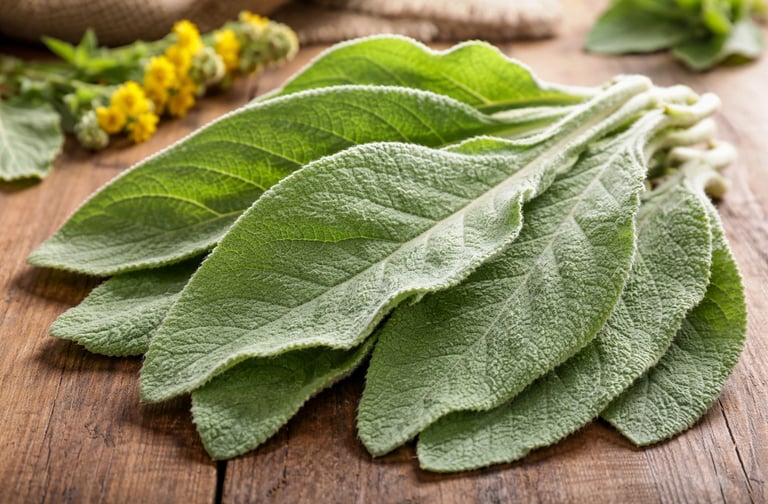
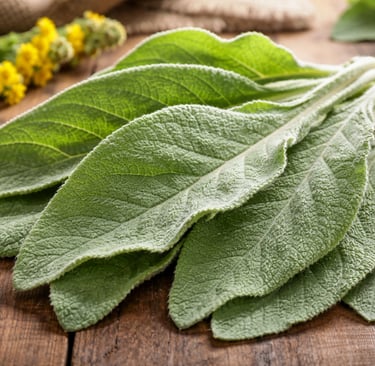
Mullein leaf comes from the plant Verbascum thapsus, also known as woolly mullein, great mullein, flannel leaf, velvet dock, or flannel plant. The cluster of "fabric-based" names refer to the plant's most distinctive feature: its thick, soft, fuzzy (tomentose) leaves that feel like flannel or velvet. The most widely used general term for the plant is Mullein (or Common Mullein). It is a tall flowering herb traditionally used in folk medicine across Europe, Asia, and North America. The leaves are usually dried and used as tea, tinctures, capsules, or extracts.
Historically, mullein has been best known for its role in respiratory health.
1. Supports Respiratory Health
This is where mullein truly shines.
Mullein leaf is commonly used to:
Soothe coughs
Ease chest congestion
Calm throat irritation
Support breathing during colds or seasonal allergies
It contains compounds that may help loosen mucus and make coughing more productive, which is why it’s often described as a “lung-soothing” herb.
2. Gentle Anti-Inflammatory Properties
Mullein leaf contains natural plant compounds that may help reduce mild inflammation, particularly in the airways. This can be helpful if your throat or chest feels irritated from coughing, pollution, or dry air.
It’s not a replacement for medical treatment, but some people find it comforting during recovery from respiratory infections.
3. May Have Mild Antimicrobial Effects
Some laboratory studies suggest mullein has mild antibacterial and antiviral properties. Traditionally, it was used to support the body during infections — though it should never replace prescribed antibiotics or antiviral medications.
Think of it as supportive, not curative.
4. Traditionally Used for Ear Comfort
In folk medicine, mullein (often infused in oil, sometimes combined with garlic) has been used for ear discomfort. While this practice is still popular in herbal traditions, it’s important to be cautious and consult a healthcare professional before using anything in the ear — especially in children.
5. Soothing for Dry, Irritated Tissues
Because mullein has demulcent properties (meaning it helps coat and soothe tissues), it may help with:
Dry cough
Scratchy throat
Irritation from excessive talking or dry environments
This makes mullein tea a popular choice during colder months or long days in air-conditioned spaces.
How Is Mullein Leaf Commonly Used?
Tea: The most traditional form
Capsules or tablets: Convenient but less soothing than tea
Liquid extracts or tinctures: Concentrated, often used short term
Important tip: If you drink mullein tea, strain it well. The tiny hairs on the leaf can irritate the throat if not filtered properly.
Is Mullein Leaf Safe?
For most people, mullein leaf is considered generally safe when used in moderation. However:
It’s best used short term
Pregnant or breastfeeding individuals should consult a professional
It should not replace medical treatment for asthma, pneumonia, or chronic lung disease
While the plant is known for traditional uses (e.g., sometimes made into a tea for respiratory support), it's crucial to note that it is not approved by major health authorities like the FDA of USA for treating medical conditions. Its fuzzy leaves can also irritate the throat if not filtered properly. Always consult a healthcare professional before using any herbal remedy.
The Bottom Line
Mullein leaf isn’t a miracle cure — but it can be a gentle, traditional herbal ally for respiratory comfort. When used appropriately, it may help soothe coughs, calm irritation, and support breathing during mild illnesses.
As with any supplement or herbal remedy, moderation and informed use matter. If symptoms persist or worsen, medical advice is always the best next step.
Still have questions? Here are quick answers to some of the most common queries about mullein leaf.
Frequently Asked Questions About Mullein Leaf
What is mullein leaf used for?
Mullein leaf is most commonly used to support respiratory health, especially for coughs, chest congestion, throat irritation, and mild breathing discomfort.
Is mullein leaf good for the lungs?
Traditionally, mullein has been used as a lung-soothing herb. It may help loosen mucus and calm irritated airways, making breathing feel more comfortable during colds or seasonal allergies.
Can mullein leaf help with cough?
Yes, mullein leaf is often used to soothe dry or irritated coughs and to help make coughs more productive by easing mucus buildup.
How do you take mullein leaf?
Mullein leaf can be taken as:
Herbal tea
Capsules or tablets
Liquid extracts or tinctures
Tea is the most traditional form and is often preferred for throat and chest comfort.
What are some conditions for whcih mullein leaf is used?
Mullein leaf is traditionally used for a variety of conditions, mainly involving the respiratory system, but also a few others. Commonly cited uses include:
Coughs (dry or productive)
Common cold and flu symptoms
Bronchitis
Asthma support (not a cure)
Congestion and chest tightness
Sore throat
Hoarseness or voice strain
Other traditional or supportive uses:
Ear discomfort (often as mullein oil, not the leaf itself)
Mild inflammation
Joint or muscle discomfort (topical use)
Urinary tract irritation (traditional herbal use)
Mullein leaf has been traditionally used to support respiratory comfort and soothe irritated tissues. Scientific evidence is limited, and it should not replace medical treatment.
Are there side effects of mullein leaf?
Mullein leaf is generally well tolerated, but some people may experience mild irritation if the tea is not well strained. It should be used in moderation and avoided if you have known plant allergies.
Can mullein leaf replace medical treatment?
No. Mullein leaf is a supportive herbal remedy, not a replacement for medical care. Persistent cough, breathing difficulty, or chest pain should always be evaluated by a healthcare professional.
Is mullein leaf safe for daily use?
Short-term use is generally considered safe for most adults. Long-term or daily use should be discussed with a healthcare professional, especially if you have chronic lung conditions.
Who should avoid mullein leaf?
Pregnant or breastfeeding individuals, children, and people with chronic respiratory diseases should consult a healthcare professional before using mullein leaf.
Related Articles:
1. Frankincense: Nature’s Ancient Secret for Modern Health
2. Health Benefits of Apple Cider Vinegar: A Natural Remedy with a Popular Twist
Sources:
WebMD — Mullein Tea: Health Benefits, Side Effects, and More
https://www.webmd.com/diet/health-benefits-mullein-tea?
· Cleveland Clinic — Mullein Benefits: Is Mullein Good for Your Lungs?
https://health.clevelandclinic.org/mullein-benefits
· PubMed — Biological activity of common mullein, a medicinal plant (antibacterial and pharmacological activity)
https://pubmed.ncbi.nlm.nih.gov/12241986/
· Drugs.com — Mullein Uses, Benefits & Side Effects
https://www.drugs.com/npc/mullein.html
· Forbes Health — Mullein Leaf: Benefits, Dosage, and More
https://www.forbes.com/health/supplements/mullein-leaf/
· PubMed — Biological activity of common mullein, a medicinal plant
https://pubmed.ncbi.nlm.nih.gov/12241986/
· PubMed — Common mullein (Verbascum thapsus L.): recent advances in research
https://pubmed.ncbi.nlm.nih.gov/16222647/
· PubMed — Health-promoting and disease-mitigating potential of Verbascum thapsus L.
https://pubmed.ncbi.nlm.nih.gov/35088467/
· PubMed — Scientific explanations for the uses of Spanish folk medicine: mullein
https://pubmed.ncbi.nlm.nih.gov/34356473/
Pulse Your Health
Empowering you to achieve your health goals.
Contact
© 2026. All rights reserved.
Disclaimer: The content on this website is for informational purposes only and is not medical advice. Always seek the advice of your physician or other suitably qualified healthcare professional for diagnosis, treatment and your health related needs.