Stay updated on what is trending in health. Discover tips and resources for a healthier, balanced life.

Marburg Virus: Learn Symptoms, Spread, Prevention & Outlook
Marburg virus disease is a deadly hemorrhagic fever linked to fruit bats. Learn symptoms, transmission, prevention, & updates on the current Ethiopia outbreak.
NEWS
Dr. S. Ali
11/27/20255 min read
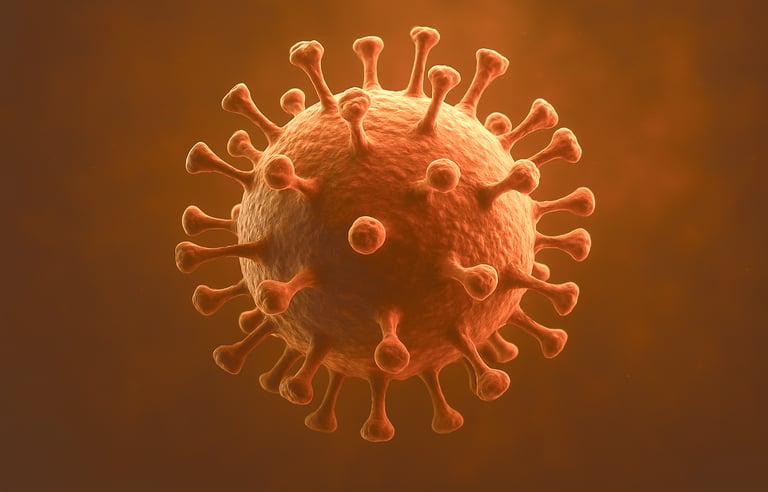
Marburg virus isn’t a household name, but when it appears in the news, it grabs attention — and for good reason. It’s a rare but extremely serious viral illness, similar to Ebola, with the potential to cause outbreaks if not controlled quickly.
If you’ve heard about Marburg virus and felt confused or worried, this guide breaks down everything you need to know in simple language — how it spreads, what symptoms look like, whether you’re at risk, and how health officials control outbreaks.
What Is Marburg Virus?
Marburg virus belongs to the filovirus family, the same deadly group that includes Ebola. These viruses are known for causing severe hemorrhagic fevers with rapid onset and high fatality rates.
The Marburg virus was first discovered in 1967, when laboratory workers in Marburg and Frankfurt (Germany) and Belgrade (Serbia) became severely ill after handling tissues from imported African green monkeys. That outbreak marked the first time the world realized how dangerous this virus is.
Since then, Marburg Virus Disease (MVD) has appeared in sporadic, unpredictable outbreaks, mostly in central and eastern Africa, including Uganda, Angola, Democratic Republic of Congo, Equatorial Guinea, and Tanzania. These outbreaks typically start with people who have been exposed to infected fruit bats (Rousettus aegyptiacus)—the natural reservoir of the virus—or through close contact with infected individuals.
Although outbreaks are rare, Marburg is considered one of the world’s most dangerous viruses because it spreads quickly through bodily fluids, causes rapid deterioration, and can have fatality rates can be very high if treatment is delayed. There is still no approved vaccine or specific antiviral treatment, which makes prevention and early medical care critically important.
Where Does Marburg Virus Come From?
The natural host is believed to be the Egyptian fruit bat (Rousettus aegyptiacus). These bats carry the virus without getting sick, which makes them a long-term reservoir.
People can get infected when they enter caves, mines, or areas heavily populated with these bats. The virus can spread through contact with bat droppings, urine, or saliva on cave surfaces. Even brief exposure—like touching walls or inhaling tiny particles in these environments—can be enough to transmit the virus.
Latest Marburg Virus Update: New Outbreak Emerges in Southern Ethiopia
Ethiopia’s first confirmed Marburg virus outbreak has struck in Jinka, in the country’s southern Omo region. So far, nine cases have been reported, with three confirmed deaths.
Health authorities acted swiftly: teams from WHO and Africa CDC have been deployed to support containment, conduct testing, and provide infection-control resources.
Genetic analysis suggests the virus strain is similar to previous East African outbreaks — and officials are focused on ramping up contact tracing, isolation, and public awareness campaigns.
How Marburg Virus Spreads
Marburg virus spreads through direct contact with:
Blood or body fluids of an infected person
Contaminated surfaces or materials (bedding, clothing, medical equipment)
Infected animals (especially fruit bats and non-human primates)
It does NOT spread through the air, unlike cold or flu viruses.
Family caregivers and healthcare workers are at highest risk in outbreaks.
Symptoms of Marburg Virus Disease
Symptoms usually start 2–21 days after exposure.
Early Symptoms (sudden and severe):
High fever
The illness typically begins with a rapid spike in temperature as the immune system reacts aggressively to the virus.Severe headache
The headache is often intense and persistent, caused by widespread inflammation in the body.Intense fatigue and weakness
Patients may feel suddenly drained of all energy, sometimes unable to stand or walk due to the abrupt onset.Muscle aches
Severe, body-wide muscle pain is common and contributes to the feeling of being suddenly overwhelmed by illness.
People often say they feel “hit by a truck” because the symptoms appear abruptly and with extreme intensity.
People often say they feel “hit by a truck” because of how abruptly symptoms begin.
Progressive Symptoms:
Abdominal pain, nausea, vomiting
As the virus multiplies, it affects the gastrointestinal system, leading to significant stomach discomfort and inability to keep food down.Severe diarrhea (often watery)
This can be profuse and leads to dangerous dehydration within hours if untreated.Rash
A widespread, non-itchy rash may appear as blood vessels become damaged under the skin.Chest pain or sore throat
Inflammation in the chest or throat can make breathing and swallowing painful.
Severe / Late Symptoms:
These occur as the illness worsens:
Bleeding from gums, nose, or injection sites
Marburg damages blood vessels and affects clotting, leading to internal and external bleeding.Blood in stool or vomit
This indicates gastrointestinal bleeding and signals a dangerous escalation of the disease.Confusion or irritability
As the infection worsens, low oxygen levels, dehydration, and organ stress can impair brain function.Organ failure
Severe cases lead to multi-organ failure — including liver, kidneys, and the central nervous system — which can be fatal without urgent supportive care.
Without treatment, the disease can progress rapidly.
How Dangerous Is It?
Marburg virus is one of the most deadly viruses known.
Mortality rates vary by outbreak but range from 24% to 88%, depending on medical care and early detection.
Early treatment significantly improves survival.
How Is Marburg Diagnosed?
Marburg can be confirmed with specific lab tests, including:
PCR testing
ELISA
Viral cultures (done only in high-security labs)
Early detection is essential to stop outbreaks.
Is There a Treatment for Marburg Virus?
There is no specific antiviral cure yet, but supportive treatment saves lives.
Care includes:
IV fluids
Maintaining electrolytes
Oxygen therapy
Blood transfusions if needed
Treating secondary infections
Several experimental treatments and vaccines are in development.
How to Prevent Marburg Virus
While outbreaks are rare, prevention focuses on reducing exposure and stopping person-to-person spread.
If you live in or travel to affected areas:
Avoid entering caves or mines populated by bats
These environments often harbor fruit bats, the natural reservoir of the virus, increasing the risk of exposure.Do not handle dead or sick animals
Infected animals can carry high viral loads, even before symptoms appear, making contact extremely dangerous.Practice good hygiene
Regular handwashing with soap or alcohol-based sanitizers reduces the chance of spreading or picking up contaminated bodily fluids.
During an outbreak:
Avoid close contact with infected individuals
Marburg spreads through direct contact with blood, vomit, or other body fluids, so distancing is crucial.Follow local public health guidance
Health authorities provide real-time instructions based on outbreak conditions, helping you stay safe and informed.Let healthcare workers use full protective gear
Proper PPE like masks, gowns, and gloves prevents transmission during patient care.Follow safe burial practices
Traditional burial rituals can expose people to infectious fluids, so specially trained teams must handle the process.
Public health teams also track cases, trace contacts, and isolate infected individuals.
Am I at Risk?
If you live outside outbreak zones or haven’t traveled to affected areas, your risk is extremely low. Marburg does not spread silently — it requires close contact, and outbreaks are typically contained quickly.
Why Marburg Virus Gets International Attention
Even though outbreaks are small and rare, Marburg gets global attention because:
It has a high fatality rate
It spreads through close contact
There is no approved vaccine yet
Outbreaks can overwhelm local healthcare systems
However, years of experience with Ebola have strengthened the world’s ability to control similar viruses effectively.
The Bottom Line
Marburg virus is a serious, fast-moving infection — but it’s also rare and usually happens in localized outbreaks. Understanding how it spreads, what symptoms look like, and how prevention works helps remove unnecessary fear.
If we stay informed and support global disease monitoring, outbreaks can be contained quickly — as they have been many times before.
Sources:
WHO – Marburg Virus Disease Fact Sheet
https://www.who.int/news-room/fact-sheets/detail/marburg-virus-diseaseWHO – Q&A on Marburg Virus Disease
https://www.who.int/news-room/questions-and-answers/item/marburg-virus-diseaseWHO Regional Office (Africa) – Marburg Virus Disease
https://www.afro.who.int/health-topics/marburg-virus-diseaseCDC – About Marburg Virus
https://www.cdc.gov/marburg/about/index.htmlCDC – Marburg Virus Prevention & Transmission
https://www.cdc.gov/marburg/prevention/index.html
PubMed – Isolation of Marburg Virus from Egyptian Fruit Bats
https://pubmed.ncbi.nlm.nih.gov/19649327/PubMed – Experimental Marburg Infection in Fruit Bats
https://pubmed.ncbi.nlm.nih.gov/30832364/PubMed – Marburgvirus in Egyptian Fruit Bats (Zambia)
https://pubmed.ncbi.nlm.nih.gov/31146800/CDC Emerging Infectious Diseases Journal – Shedding of Marburg Virus in Bats
https://wwwnc.cdc.gov/eid/article/26/12/20-2108_article
ScienceDaily – Marburg Virus Found in Fruit Bats
https://www.sciencedaily.com/releases/2007/08/070822081907.htm
Pulse Your Health
Empowering you to achieve your health goals.
Contact
© 2026. All rights reserved.
Disclaimer: The content on this website is for informational purposes only and is not medical advice. Always seek the advice of your physician or other suitably qualified healthcare professional for diagnosis, treatment and your health related needs.