Stay updated on what is trending in health. Discover tips and resources for a healthier, balanced life.

Full-Fat Cheese and Cream: A Surprising Ally for Your Brain?
Could full-fat cheese and cream lower dementia risk? A 25-year study finds a link between high-fat dairy and a reduced risk of Alzheimer's & vascular dementia.
NUTRITION
Dr. S. Ali
12/20/20253 min read
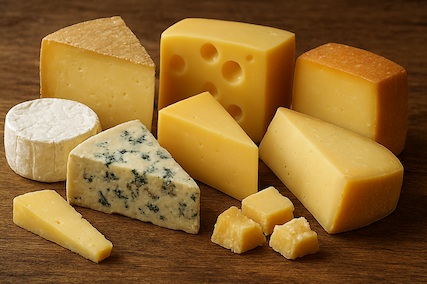
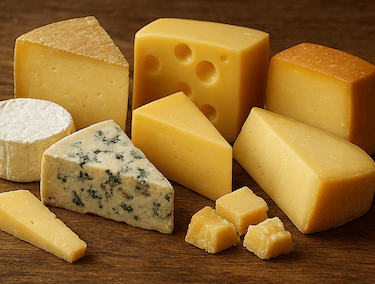
For years, the health message around dairy has often been simplified: choose low-fat. But new, large-scale research suggests that when it comes to long-term brain health and dementia risk, the story is far more nuanced—and the findings might surprise you.
A landmark study from Sweden, following over 27,000 adults for up to 25 years, offers a compelling twist. The researchers found that people who regularly enjoyed high-fat cheese and cream had a significantly lower risk of developing dementia—while low-fat versions and other dairy products showed no such benefit.
The Study at a Glance: A Quarter-Century of Data
The findings come from a prospective cohort study titled "High- and Low-Fat Dairy Consumption and Long-Term Risk of Dementia," published in the January 27, 2026, issue of the journal Neurology. The research leverages data from the renowned Malmö Diet and Cancer Study, which began in the early 1990s. In that study, participants' diets were meticulously recorded using detailed food diaries and interviews. Researchers then tracked their health through national registries for decades, ultimately identifying over 3,200 incident cases of dementia.
The analysis went beyond just "dairy." It specifically differentiated between high-fat and low-fat products. Crucially, the researchers also accounted for a wide range of factors that could influence the results, including age, education, physical activity, smoking, overall diet quality, and pre-existing health conditions.
The Key Findings: A Clear Pattern Emerges
The results, published in a leading neurology journal, reveal a clear and intriguing pattern:
High-Fat Cheese (>20% fat): Consuming about 50 grams per day (roughly two slices) was linked to a 13% lower risk of all-cause dementia and a striking 29% lower risk of vascular dementia compared to low intake.
High-Fat Cream (>30% fat): Consuming about 20 grams per day (roughly 1.5 tablespoons) was linked to a 16% lower risk of all-cause dementia. It was also associated with a lower risk of both Alzheimer's disease and vascular dementia.
The Low-Fat Difference Was Stark: In contrast, low-fat cheese, low-fat cream, milk (both full-fat and low-fat), fermented milk, and butter showed no consistent association with reduced dementia risk.
A Genetic Clue: The apparent protective link between high-fat cheese and Alzheimer's disease was strongest in individuals who do not carry the APOE ε4 gene, a known genetic risk factor for Alzheimer's, suggesting a complex interaction.
Who Were the High-Fat Dairy Eaters?
The data provides an interesting snapshot. Compared to those who ate little high-fat cheese or cream, the high-intake groups were generally healthier at the study's start:
They had lower rates of diabetes, hypertension, and cardiovascular disease.
They had lower BMI and higher education levels.
They were less likely to use lipid-lowering medication.
This is a critical point: the observed brain benefits of high-fat dairy were seen independent of these already healthier baseline characteristics. The statistical models adjusted for these factors, strengthening the case that the dairy itself might play a role.
What This Doesn’t Mean (The Essential Caveats)
Before you reconsider your grocery list, it’s vital to understand what this study does not say:
1. This is Not Cause-and-Effect Proof: This remains an observational study. It shows a strong association, not proof that cheese and cream cause the reduced risk. Unmeasured lifestyle factors could still play a part.
2. It’s About the Overall Diet Pattern: The participants' diets were assessed as a whole. The benefits were seen within the context of a varied diet. Adding heaps of cream to an otherwise poor diet is unlikely to help.
3. Individual Health is Paramount: Personal factors like cholesterol levels and genetic risk mean dietary advice is never one-size-fits-all. If you have specific health concerns, talk to your doctor.
The Practical Takeaway: Rethinking Fat in Context
This research powerfully challenges the simplistic "fat is bad" paradigm and asks us to think about food quality and dietary patterns more holistically.
For your long-term brain health, focus on the big picture:
Prioritize a heart- and brain-healthy dietary pattern rich in vegetables, fruits, whole grains, legumes, nuts, and healthy fats (like those from olive oil and fish).
Don't fear full-fat dairy in moderation. This study suggests that as part of a balanced diet, high-fat cheese and cream are not detrimental and may even offer specific benefits for cognitive health.
Consider food quality over fat content alone. The unique matrix of nutrients in fermented, high-fat dairy like cheese may be key, which isn't replicated in low-fat versions or butter.
The path to preserving cognitive health is multifaceted, involving physical activity, social connection, mental stimulation, and diet. This groundbreaking, long-term research adds a fascinating piece to the puzzle, suggesting that enjoying a slice of full-fat cheese might be one small, pleasurable step in the right direction.
Related Articles:
1. Alzheimer’s Disease Explained: Early Signs, Causes, and What You Can Do
2. A Guide to Dementia: Symptoms, Types, and Support Strategies
Source:
High- and Low-Fat Dairy Consumption and Long-Term Risk of Dementia
Evidence From a 25-Year Prospective Cohort Study. Neurology
https://www.neurology.org/doi/10.1212/WNL.0000000000214343#T3
Pulse Your Health
Empowering you to achieve your health goals.
Contact
© 2026. All rights reserved.
Disclaimer: The content on this website is for informational purposes only and is not medical advice. Always seek the advice of your physician or other suitably qualified healthcare professional for diagnosis, treatment and your health related needs.