Stay updated on what is trending in health. Discover tips and resources for a healthier, balanced life.

Cyclospora Outbreak 2026: Symptoms & How to Protect Yourself
Learn about the 2026 Cyclospora outbreak in the US, explosive diarrhoea, causes, treatment & prevention tips to protect yourself from this foodborne parasite.
DISEASES AND CONDITIONS
Dr. S. Ali
9/13/20264 min read
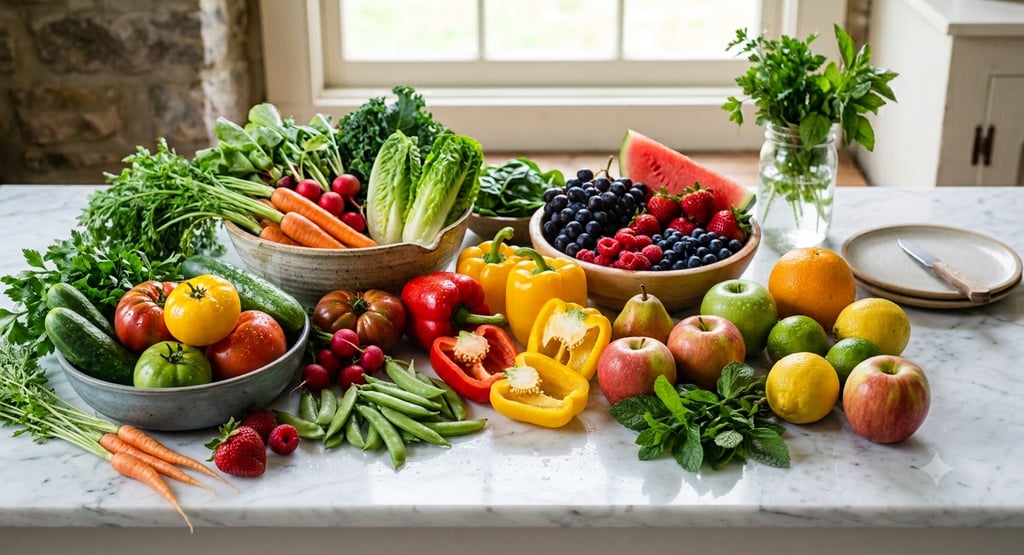
Have you heard about the US Cyclospora outbreak 2026?
Health authorities in the United States are investigating a growing number of Cyclospora cases linked to fresh produce across multiple states. Preliminary evidence suggests that lettuce or other salad greens may be involved, although the exact source has not yet been identified.
If you have recently eaten fresh salad, leafy greens, herbs, or other raw vegetables and have developed severe diarrhoea, it is important to know the signs of this infection.
Although cyclosporiasis is not as well known as food poisoning caused by bacteria, it can make you very sick and the illness may last for weeks if left untreated.
In this article, we explain what cyclosporiasis is, the cyclosporiasis symptoms, how the infection spreads, and what you can do to protect yourself.
What Is Cyclospora?
Cyclospora is a tiny parasite called Cyclospora cayetanensis. It infects the intestines and causes an illness known as cyclosporiasis.
Unlike many bacteria, this parasite cannot spread directly from one person to another. The parasite must first mature in the environment before it becomes infectious. Most infections occur after eating contaminated food or drinking contaminated water.
What Is the Cyclospora Outbreak 2026?
U.S. health officials are investigating an ongoing Cyclospora parasite outbreak that has affected people across 31 U.S. states, with Michigan reporting the largest number of cases. Investigations are ongoing to identify the exact source of the outbreak.
Early evidence suggests that contaminated fresh produce, particularly lettuce and other salad greens, may be responsible. However, no specific product, grower, or supplier has been confirmed.
Foods under investigation include:
Fresh salad
Leafy vegetables
Fresh herbs
Berries
Other raw produce
As the investigation continues, consumers should stay informed by following updates from the Centers for Disease Control and Prevention (CDC) and their local public health authorities.
How Does Cyclospora Spread?
Cyclospora spreads when people eat or drink something contaminated with the parasite.
Common sources include:
Contaminated salad
Raw vegetables
Fresh herbs
Contaminated fruit
Unsafe drinking water
Because many fresh foods are eaten without cooking, they can sometimes carry the parasite if they become contaminated before reaching your table.
Cyclosporiasis Symptoms
Symptoms usually begin about one week after swallowing the parasite.
The most common cyclosporiasis symptoms include:
Watery diarrhoea
Explosive diarrhoea
Frequent bowel movements
Stomach cramps
Bloating
Nausea
Loss of appetite
Fatigue
Weight loss
Low-grade fever
Many people describe it as a severe stomach illness with repeated episodes of explosive diarrhoea that can continue for several weeks if not treated.
How Serious Is Cyclosporiasis?
Most healthy people recover completely with proper treatment.
However, the illness can cause significant dehydration due to persistent diarrhoea.
Older adults, young children, pregnant women, and people with weakened immune systems may experience more severe illness.
If you develop severe diarrhoea that lasts for several days, especially after eating fresh produce, seek medical attention.
How Is Cyclosporiasis Diagnosed?
Your healthcare provider may request a stool sample.
Cyclospora is not detected on every routine stool test. Special laboratory tests are often needed to identify the parasite.
If your doctor suspects cyclosporiasis, tell them about any recent travel or consumption of fresh salads or raw vegetables.
How Is Cyclosporiasis Treated?
Cyclospora infections usually require prescription antibiotics.
The commonly recommended treatment is trimethoprim-sulfamethoxazole (TMP-SMX).
However, this medication contains a sulfa antibiotic. People who are allergic to sulfa drugs should inform their healthcare provider before starting treatment. Your doctor can discuss alternative treatment options if TMP-SMX is not suitable for you.
Do not take antibiotics without medical advice, and always complete the prescribed course unless your healthcare provider advises otherwise.
Your doctor will decide the medication that is appropriate for you.
During recovery, it is also important to:
Drink plenty of fluids.
Replace lost electrolytes.
Rest.
Eat light meals until symptoms improve.
Do not take antibiotics unless they are prescribed by your healthcare provider.
How Can You Protect Yourself?
There is no vaccine against Cyclospora.
You can reduce your risk by:
Washing fruits and vegetables thoroughly.
Buying produce from reputable sources.
Refrigerating fresh produce properly.
Practising good hand hygiene.
Drinking safe water when travelling.
Following public health advice during a cyclosporiasis outbreak.
Keep in mind that washing fruits and vegetables may reduce contamination but may not completely remove the parasite.
The best protection is to follow food recall notices and public health advisories. If a specific salad, vegetable, herb, or other produce has been identified as the source of an outbreak, do not eat it. When possible, cook foods thoroughly, as heat can kill the parasite. However, many foods linked to Cyclospora, such as salad greens, are usually eaten raw, making it especially important to avoid recalled products.
Should You Stop Eating Salad?
Not necessarily.
Fresh fruits and vegetables are an important part of a healthy diet.
During a Cyclospora outbreak, simply pay attention to public health advisories. If a specific product has been recalled, avoid eating it until health authorities declare it safe.
When Should You See a Doctor?
Contact your healthcare provider if you have:
Severe or persistent diarrhoea
Explosive diarrhoea
Signs of dehydration
Blood in your stool
Symptoms lasting more than a few days
Recent exposure during a Cyclospora parasite outbreak
Early diagnosis and treatment can help shorten the illness and reduce complications.
The Bottom Line
The ongoing Cyclospora outbreak in the United States in 2026 is a reminder that fresh produce can sometimes carry harmful parasites. While most people recover fully with appropriate treatment, cyclosporiasis can cause prolonged watery or explosive diarrhoea, stomach cramps, fatigue, and dehydration.
The best way to protect yourself is to practise good food hygiene, follow updates from U.S. health authorities, stay informed about any Cyclospora outbreak alerts, and seek medical advice if you develop symptoms after eating contaminated salad, vegetables, or other fresh produce.
Staying informed and acting early can help protect you and your family.
Related Articles:
Legionnaires' Disease: A Hidden Waterborne Threat
Listeria: A Sneaky Foodborne Germ
Botulism and Infant Botulism: Causes, Symptoms & Treatment
Salmonella: What You Need to Know to Stay Safe
Sources:
Centers for Disease Control and Prevention (CDC) – Cyclospora:
https://www.cdc.gov/cyclosporiasis/Centers for Disease Control and Prevention (CDC) – Outbreak Investigations:
https://www.cdc.gov/outbreaks/U.S. Food and Drug Administration (FDA) – Food Safety and Outbreaks:
https://www.fda.gov/foodWorld Health Organization (WHO) – Food Safety:
https://www.who.int/health-topics/food-safetyMayo Clinic – Cyclospora infection:
Pulse Your Health
Empowering you to achieve your health goals.
Contact
© 2026. All rights reserved.
Disclaimer: The content on this website is for informational purposes only and is not medical advice. Always seek the advice of your physician or other suitably qualified healthcare professional for diagnosis, treatment and your health related needs.