Stay updated on what is trending in health. Discover tips and resources for a healthier, balanced life.

Candida auris: Why This Drug-Resistant Fungus Is in the News
Candida auris is a dangerous, drug-resistant fungus spreading globally. Learn why it’s making headlines, how it spreads, who’s at risk, symptoms & prevention.
NEWS
Dr. S. Ali
1/1/20264 min read
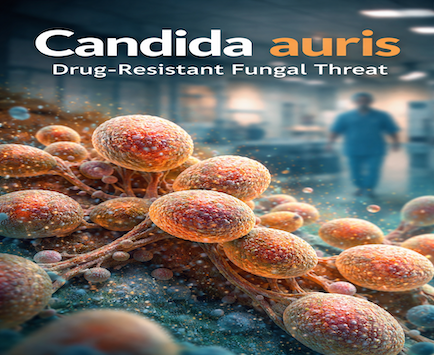
If you’ve recently seen headlines warning about a “dangerous fungal infection” spreading across hospitals, you’re not alone. Over the past few months, Candida auris has been popping up in news reports, public health alerts, and even social media posts — often framed as a new or mysterious threat.
So what’s really going on? Is this something new? And should you be worried?
Let’s break it down in simple terms.
What Is Candida auris?
Candida auris is a type of fungus that can cause serious infections, particularly in people who are already unwell. Unlike common fungal infections such as yeast infections or athlete’s foot, C. auris mainly affects hospitalized patients, especially those in intensive care units.
It can cause bloodstream infections, wound infections, and infections of the ear or other parts of the body. In severe cases, these infections can be life-threatening.
Why Is Candida auris Getting Attention Now?
The reason Candida auris is making headlines now isn’t because it suddenly appeared — it was first identified in 2009. The concern is that several troubling factors are coming together at the same time.
1. Cases Are Increasing Worldwide
Health authorities have reported a steady rise in Candida auris cases across many countries. More hospitals are detecting outbreaks, especially in long-term care facilities and ICUs.
This global increase is one of the main reasons public health agencies are sounding the alarm.
2. It’s Often Resistant to Treatment
One of the biggest challenges with Candida auris is that it’s frequently resistant to multiple antifungal medications. In some cases, it doesn’t respond well to any of the standard treatments doctors usually rely on.
This makes infections harder to treat and increases the risk of serious complications.
3. It Spreads Easily in Healthcare Settings
Unlike many other fungi, Candida auris has a unique ability to live on human skin for long periods. A person may carry the fungus without showing symptoms, but still spread it to others.
It can also survive on hospital surfaces and medical equipment, making infection control more difficult than usual.
4. It’s Easy to Miss
Another major issue is diagnosis. Candida auris is often misidentified as another, less dangerous fungus, especially in labs that don’t use advanced testing methods. When that happens, proper treatment and isolation measures may be delayed — allowing the infection to spread further.
5. The Post-Pandemic Effect
The COVID-19 pandemic placed enormous strain on healthcare systems worldwide. Longer hospital stays, heavy use of antibiotics, ventilators, and invasive devices created the perfect environment for opportunistic infections — including Candida auris — to gain a foothold.
How Serious Is It?
Invasive fungal infections already affect millions of people globally each year, with mortality rates that can exceed 50% in severe cases. Candida auris adds another layer of concern because of its resistance, persistence, and ability to spread quietly in healthcare environments.
That said, it’s important to keep perspective.
Should the General Public Be Worried?
For most healthy people, the risk is very low.
Candida auris primarily affects:
People with weakened immune systems
Patients with long hospital stays
Those with central lines, catheters, or breathing tubes
It is not a common community infection, and it does not spread easily among healthy individuals going about daily life.
Why Awareness Still Matters
The reason health experts are talking about Candida auris isn’t to create panic — it’s to improve awareness, detection, and prevention. Early identification, strict infection-control measures, and responsible antifungal use are key to limiting its spread.
This growing attention also highlights a larger issue: invasive fungal infections are an under-recognized global health threat, especially in an era of antimicrobial resistance.
Frequently Asked Questions About Candida auris
Is Candida auris something healthy people should worry about?
For most healthy individuals, the risk is very low. Candida auris mainly affects people who are already very ill, hospitalized, or have weakened immune systems. It is not a common community infection.
Why is Candida auris harder to control than other fungal infections?
Unlike many fungi, Candida auris can survive on skin and surfaces for long periods and resists common disinfectants. This makes it especially difficult to eliminate in healthcare settings.
Can Candida auris live on the skin without causing symptoms?
Yes. Some people can carry Candida auris on their skin without feeling sick. This is called colonization, and while it doesn’t cause symptoms, it increases the risk of spreading the fungus to others or developing infection later.
How do hospitals screen for Candida auris?
Hospitals may use targeted skin swabs and specialized laboratory tests to detect Candida auris. Routine fungal tests may miss it, which is why awareness and proper testing are critical.
Why is antifungal resistance such a big concern with Candida auris?
Many strains of Candida auris are resistant to multiple antifungal drugs, limiting treatment options. This resistance increases the risk of complications and makes early detection essential.
Is Candida auris related to poor hygiene?
No. Candida auris infections are not caused by poor personal hygiene. They are linked to healthcare exposure, invasive medical devices, and prolonged hospital stays.
Can Candida auris spread outside hospitals?
So far, most transmission occurs in healthcare facilities. Community spread is rare, but ongoing surveillance is important to detect any changes in this pattern.
What is being done globally to control Candida auris?
Health authorities, including the WHO, are strengthening surveillance, improving diagnostic methods, and developing better infection-control guidelines to limit spread.
Is Candida auris the start of a fungal pandemic?
There is no evidence of a fungal pandemic. However, Candida auris highlights a growing global challenge: antimicrobial and antifungal resistance, especially in healthcare environments.
What should patients or caregivers do if they’re concerned?
If someone is hospitalized or immunocompromised, following hospital infection-control measures and discussing concerns with healthcare providers is the best approach.
The Bottom Line
Candida auris is making headlines now because it exposes vulnerabilities in modern healthcare — from drug resistance to hospital infection control. It’s not a new fungus, and it’s not a reason for public panic, but it is a reminder of why surveillance, accurate diagnosis, and preparedness matter.
Staying informed — without fear — is the healthiest response.
Related Articles:
1. H3N2 Influenza: Key Facts on the Fast-Spreading Flu Strain
Sources
CDC — About Candida auris
https://www.cdc.gov/candida-auris/about/CDC — Clinical overview Candida auris
https://www.cdc.gov/candida-auris/hcp/clinical-overview/PubMed / NIH — Candida auris Emerging Pathogen Overview
https://pubmed.ncbi.nlm.nih.gov/33085444/PubMed / NIH — Candida auris Resistance and Spread Research
https://pubmed.ncbi.nlm.nih.gov/37701386/WHO — Fungal Infection Reports and Antimicrobial Resistance
https://www.who.int/health-topics/antimicrobial-resistance/01-04-2025-who-issues-its-first-ever-reports-on-tests-and-treatments-for-fungal-infections?ECDC — Rapidly spreading drug-resistant fungus in European hospitals
https://www.ecdc.europa.eu/en/news-events/drug-resistant-fungus-candidozyma-auris-confirmed-spread-rapidly-european-hospitalsECDC epidemiological survey report (2025)
https://www.ecdc.europa.eu/en/news-events/drug-resistant-fungus-candidozyma-auris-confirmed-spread-rapidly-european-hospitalsHealth Protection Report (UKHSA) — Candida auris surveillance & outbreak news
https://www.gov.uk/government/publications/health-protection-report-volume-19-2025/hpr-volume-19-issue-3-news-27-march-2025UKHSA blog — What we’re doing to address C. auris
https://ukhsa.blog.gov.uk/2025/05/29/what-is-candidozyma-auris-fungal-pathogen-and-emerging-global-health-threat/
Pulse Your Health
Empowering you to achieve your health goals.
Contact
© 2026. All rights reserved.
Disclaimer: The content on this website is for informational purposes only and is not medical advice. Always seek the advice of your physician or other suitably qualified healthcare professional for diagnosis, treatment and your health related needs.