Stay updated on what is trending in health. Discover tips and resources for a healthier, balanced life.

Anthrax: A Rare but Serious Disease
Anthrax causes, symptoms & treatment: Learn how infection spreads (skin, inhalation, ingestion), signs like painless eschar ulcers, and why early antibiotic care is critical.
DISEASES AND CONDITIONS
Dr. S. Ali
1/4/20266 min read

When people hear the word "anthrax," it often brings up images of scary news stories or bioterrorism. But what is anthrax really, and how concerned should you be? Let’s break it down in simple, everyday language.
What is Anthrax?
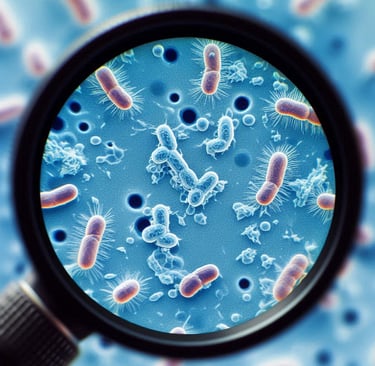
Anthrax is an infection caused by a bacterium called Bacillus anthracis. These bacteria form hardy spores that can survive in soil, animal products, or the environment for years.
Anthrax infection is caused by the spores of the Bacillus anthracis bacterium—not the bacteria itself in its active form. These spores are incredibly resilient and can survive in the environment for decades, especially in soil or on animal products like wool or hides. It mainly affects livestock like cattle, sheep, and goats—but humans can get it too, though it’s rare.
When the spores enter the body—through a cut in the skin, inhalation, ingestion, or injection—they become activated and turn into live bacteria. Once active, the bacteria multiply quickly and release potent toxins that can cause serious tissue damage, disrupt the immune system, and lead to life-threatening complications if not treated promptly.
How Do People Get Infected?
Anthrax isn’t contagious from person to person. You typically get it by:
Handling animal products like hides or wool that carry the spores (this is the most common route).
People who work with livestock, leather, or animal hair—such as farmers, veterinarians, or tannery workers—are at higher risk. Even dried animal products can harbor spores for years.Eating undercooked meat from infected animals.
This form is more common in places where livestock vaccination isn’t routine. Contaminated meat can carry spores into the digestive tract, leading to severe gastrointestinal symptoms.Breathing in spores in contaminated environments—this is the rarest but most dangerous form.
Inhalation anthrax can occur in industrial settings or through bioterrorism-related exposure. The spores can settle deep in the lungs and cause a rapid, often fatal infection if not treated quickly.
Types of Anthrax Infections
There are four types:
1. Cutaneous Anthrax (Skin)
This is the most common and least dangerous form of anthrax. It happens when anthrax spores enter your body through a cut or scrape on your skin—often while handling contaminated animal products like hides, wool, or meat.
It usually starts as a small, itchy bump, kind of like an insect bite. Within a day or two, it turns into a blister and then into a painless sore with a black center, known as an eschar. While it may look alarming, this form of anthrax responds well to antibiotics when treated early.
2. Inhalation Anthrax
This is the rarest and most deadly form. It happens when you breathe in airborne anthrax spores—typically in workplaces where animal hides or wool are processed, or in cases of intentional exposure.
Symptoms start like a cold or flu: fever, fatigue, cough, sore throat. But within a few days, it can worsen rapidly, leading to severe breathing problems, shock, and even death if not treated right away. Early diagnosis and aggressive treatment are crucial for survival.
3. Gastrointestinal Anthrax
This form results from eating undercooked or contaminated meat from infected animals. It can affect your mouth, throat, stomach, or intestines.
Initial symptoms include sore throat, fever, nausea, and loss of appetite. As the infection progresses, it can cause severe abdominal pain, vomiting (sometimes with blood), and bloody diarrhea. While it’s less common, gastrointestinal anthrax can be life-threatening without prompt medical care.
4. Injection Anthrax
This is an extremely rare form seen mainly in people who inject illegal drugs contaminated with anthrax spores. It was first reported in Europe and is almost unheard of elsewhere.
It causes serious skin and soft tissue infections near the injection site, but it can spread rapidly to deeper tissues and organs. Unlike cutaneous anthrax, there may be no black sore, making it harder to recognize early. It requires urgent medical attention and intensive treatment.
What Are the Symptoms of Anthrax?
Symptoms vary dramatically depending on how you were exposed:
1. Cutaneous (Skin) Anthrax
Early: Starts as an itchy bump (like an insect bite) within 1–7 days of exposure.
Progresses to: A blister that turns into a painless ulcer with a black center (eschar).
Key note: This is the most common and least dangerous form if treated early with antibiotics.
2. Inhalation (Lung) Anthrax
Early: Flu-like symptoms—fever, cough, mild chest discomfort, and fatigue.
Critical phase: Within days, severe shortness of breath, chest pain, and shock—requires immediate medical care.
Warning: The deadliest form; symptoms worsen rapidly once breathing problems begin.
3. Gastrointestinal (Gut) Anthrax
Early: Nausea, vomiting, fever, and loss of appetite (1–7 days after eating contaminated meat).
Severe stage: Followed by bloody diarrhea, severe abdominal pain, and swelling (ascites).
Risk: High mortality if untreated due to bloodstream infection (sepsis).
4. Injection Anthrax
Signs: Redness, swelling, or abscess at the injection site (e.g., from contaminated drugs).
Danger: Can spread quickly, causing deep tissue damage, meningitis, or organ failure.
Rarity: Seen almost exclusively in heroin users in certain regions.
When to Seek Help:
→ Skin contact with animals/soil + developing a black sore? See a doctor ASAP.
→ After inhaling spores (e.g., in high-risk jobs) with sudden fever/breathing trouble? Go to the ER.
Why Is Anthrax Such a Serious Disease?
Anthrax is dangerous because of how quickly it can spread inside the body and the potent toxins it produces. Once the spores enter through the skin, lungs, or digestive system, they can multiply rapidly and release toxins that cause severe inflammation, tissue damage, bleeding, and even organ failure.
Inhalation and gastrointestinal anthrax are especially deadly because symptoms often start out mild—like the flu or a stomach bug—but can suddenly worsen within hours. Without prompt treatment, these forms can lead to shock, coma, and death.
What makes it even more serious is how resistant anthrax spores are. They can survive in the environment (soil, animal hides, contaminated surfaces) for decades. This durability is one reason why anthrax has also been studied and used as a bioterrorism agent.
The good news? Anthrax is treatable—especially if caught early. With fast medical care and antibiotics, most people recover. There’s also a vaccine for people at higher risk (like lab workers or military personnel).
Where Is Anthrax More Common?
Anthrax is most often found in rural, agricultural regions where animals like cattle, sheep, or goats graze on contaminated soil. It's more common in parts of Africa, Asia, the Middle East, South and Central America, and some areas of Eastern Europe. The spores can survive in dry, arid climates for decades, especially in soil that’s been disturbed by floods, drought, or farming.
While rare in developed countries, occasional outbreaks can still happen—especially if people handle contaminated animal hides, meat, or wool. That’s why some imported animal products are closely monitored.
Is Anthrax Treatable?
Yes. If caught early, anthrax is treatable with antibiotics like ciprofloxacin or doxycycline. Inhalation anthrax may require a combination of antibiotics and antitoxins, along with supportive care in the hospital.
Can You Prevent It?
In high-risk jobs (like working with livestock or animal hides), precautions like gloves and protective gear help. There’s also a vaccine for people in specific high-risk occupations.
Should You Be Worried?
For the general public, anthrax risk is extremely low. Most cases worldwide occur in people working closely with livestock or in specific geographic areas where the spores still exist in the soil.
Final Thoughts: Understanding Your Anthrax Risk
While anthrax might sound like something from a medical thriller, the reality is most people won't encounter it in their daily lives. The bacteria that causes anthrax (Bacillus anthracis) exists naturally in soil worldwide, but human cases are relatively rare in developed countries with proper agricultural and public health controls.
That said, knowledge is your best protection. If you:
• Work with livestock or animal products
• Live in or travel to regions where anthrax is endemic
• Work in certain laboratory or military settings
...being able to recognize early symptoms (like the characteristic painless black eschar of cutaneous anthrax) and understanding prevention strategies becomes crucial.
Modern medicine has effective treatments for anthrax, especially when caught early. By staying informed about transmission methods, high-risk scenarios, and proper precautions, you can significantly reduce any potential risk while maintaining peace of mind.
Remember - in public health, what matters isn't just the actual risk, but our ability to respond to it wisely. A little awareness goes a long way.
Related Articles:
1. Botulism and Infant Botulism: Causes, Symptoms & Treatment
2. Plague Q & A: What to Know About This Ongoing Ancient Disease
Sources:
1. Centers for Disease Control and Prevention (CDC)
https://www.cdc.gov/anthrax/
World Health Organization (WHO)
https://www.who.int/health-topics/anthraxU.S. Department of Agriculture (USDA)
https://www.aphis.usda.gov/aphis/ourfocus/animalhealth/animal-disease-information/anthraxNational Institutes of Health (NIH)
https://www.niaid.nih.gov/diseases-conditions/anthraxMayo Clinic
https://www.mayoclinic.org/diseases-conditions/anthrax/symptoms-causes/syc-20356203MedlinePlus (National Library of Medicine)
https://medlineplus.gov/anthrax.html
Pulse Your Health
Empowering you to achieve your health goals.
Contact
© 2026. All rights reserved.
Disclaimer: The content on this website is for informational purposes only and is not medical advice. Always seek the advice of your physician or other suitably qualified healthcare professional for diagnosis, treatment and your health related needs.